Cask Strength vs. Barrel Proof: What's the Difference?
Same idea, different sides of the Atlantic. Here's what 'cask strength' and 'barrel proof' really mean — and how to drink either one.
Cask strength and barrel proof both mean the same basic thing — whiskey bottled without dilution, straight from the barrel at whatever proof it naturally reached. But the two terms come from different sides of the Atlantic, get used inconsistently, and the whiskey inside can vary a lot more than the label suggests. Here's what each term actually means and how to drink what's inside.
What "Cask Strength" Means
Cask strength is the term most associated with Scotch whisky. It means the whisky was bottled directly from the cask with no water added to bring the proof down — the alcohol level you get is exactly what the cask produced after years of evaporation and interaction with the wood. Because every cask evaporates at a slightly different rate, cask strength bottlings vary from batch to batch, which is part of their appeal to collectors: no two releases are identical.
What "Barrel Proof" Means
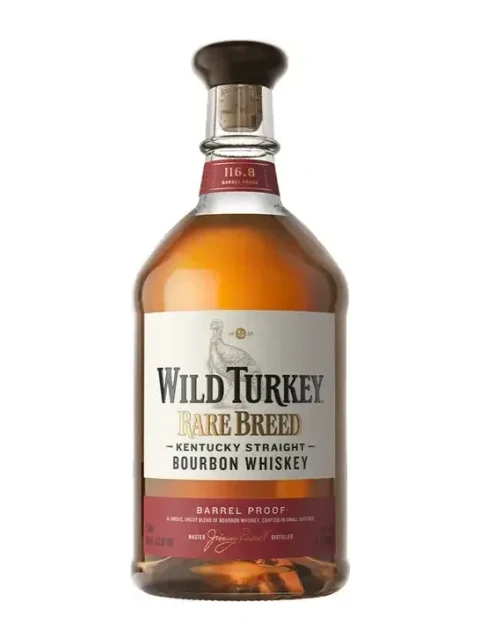
Barrel proof is the American equivalent, used almost exclusively for bourbon and rye. Functionally it means the same thing as cask strength — undiluted, bottled at whatever proof the barrel reached — but American producers tend to say "barrel proof" while Scottish producers say "cask strength." Wild Turkey Rare Breed and Elijah Craig Barrel Proof are two of the most respected barrel proof bourbons on the market, both bottled well north of 100 proof with nothing added.
Why the Terms Get Used Differently
There's no strict legal distinction — it's mostly regional convention rather than a technical rule. Some producers use the terms interchangeably regardless of geography, and a few use "full proof" or "single barrel" to describe similar undiluted releases with their own specific meaning. The one constant across all of them: nothing has been added to bring the alcohol content down from where the barrel left it.
Why High-Proof Whiskey Tastes Different
Water changes flavor, not just strength. Diluting whiskey down to a standard 80–90 proof softens texture and mutes some aromatic compounds along with the alcohol. Cask strength and barrel proof releases skip that step, which means more concentrated flavor, a fuller mouthfeel, and often more of the barrel's char and oak coming through — the trade-off is a whiskey that can taste hot or overwhelming if you're used to standard-proof pours. Buffalo Trace's own barrel proof releases, like the ones covered in our George T. Stagg review and William Larue Weller review, are two of the most sought-after examples of just how much flavor concentration a barrel can deliver.
How to Drink Cask Strength Whiskey
You don't have to drink it neat at full proof to enjoy it. A few drops of water, added deliberately rather than poured in, can actually open up aromas that stay locked up at higher alcohol levels — a trick most bartenders and distillers use themselves when nosing high-proof whiskey. Start with a small splash, taste, and adjust from there; there's no wrong amount as long as you're tasting the whiskey, not drowning it.
Best Cask Strength & Barrel Proof Bottles to Try
For a first bottle, Wild Turkey Rare Breed offers real barrel proof intensity at an accessible price. Maker's Mark Cask Strength shows how the same wheated mash bill changes at full proof versus standard. And for collectors ready to go further, Elijah Craig Barrel Proof is one of the most consistently well-rated barrel proof bourbons released today.
Real Examples of Each
George T. Stagg Barrel Proof ($449.99, 64.1% ABV) is the American "barrel proof" reference point — part of the annual Buffalo Trace Antique Collection, bottled at whatever proof the barrel naturally produced. Aberlour A'bunadh ($69.99, 61.2% ABV) is the Scotch "cask strength" equivalent, a sherry-cask-matured single malt released in batches with no water added, showing intense sherry and dark fruit at full strength.
Shop Cask Strength & Barrel Proof
Same-day delivery to 33 U.S. states and 7 Canadian provinces.
Browse High-Proof Bourbon