Bourbon vs. Rye vs. Scotch: What's the Difference?
Same base ingredients. Completely different rulebooks. Here's what actually separates bourbon, rye and Scotch.
Bourbon, rye and Scotch all start the same way — grain, water, yeast and a still — and end up nothing alike. The difference isn't marketing. It's a set of legal rules about where each whiskey is made, what it's made from, and how it's aged, and those rules are the reason a glass of Buffalo Trace and a glass of Glenfiddich taste like they came from different countries entirely, because they did. Here's what actually separates the three, and where to start with each.
What Makes a Whiskey "Bourbon"?
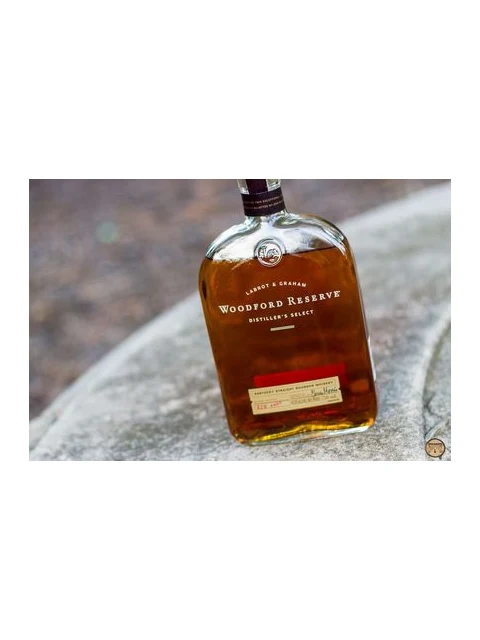
Bourbon is a legally defined American whiskey: it must be made in the United States, distilled from a mash bill that's at least 51% corn, and aged in new, charred oak barrels — never reused ones. There's no minimum age requirement to be called bourbon, though "straight bourbon" must be aged at least two years. That corn base and brand-new oak are what give bourbon its signature sweetness — vanilla, caramel and baking spice built in from the barrel itself. Buffalo Trace Bourbon and Woodford Reserve Distiller's Select are two of the most reliable entry points into the style, and the full range lives in our bourbon collection.
What Makes a Whiskey "Rye"?
Rye whiskey follows almost the same rulebook as bourbon — American-made, aged in new charred oak — except the mash bill has to be at least 51% rye grain instead of corn. Rye brings a completely different flavor profile: spicier, drier and more peppery, with less of bourbon's caramel sweetness. It's the whiskey bartenders reach for when a drink needs backbone instead of sugar, which is why rye dominates classic cocktails like the Manhattan and the Sazerac. Bulleit Rye and Rittenhouse Rye BiB are two of the most versatile bottles in our rye whiskey collection.
What Makes a Whisky "Scotch"?
Scotch is where the rules change completely. To carry the name, a whisky has to be distilled and matured entirely in Scotland, aged a minimum of three years in oak casks — and those casks are almost always previously used, often for bourbon or sherry, rather than new charred oak. Single malt Scotch also has to be made from 100% malted barley at a single distillery, a stricter rule than anything bourbon or rye has to follow. The result is a lighter, more complex spirit shaped by the cask's previous contents and, depending on the region, sometimes by peat smoke. Glenfiddich 12 Year and Macallan 12 Sherry Oak are two of the clearest examples of what used-cask aging does to whisky, and the full range is in our Scotch collection.
Flavor Differences at a Glance
- Bourbon: sweet, round and vanilla-forward, thanks to new charred oak.
- Rye: spicy, dry and peppery — built for cocktails as much as sipping.
- Scotch: lighter and more layered, shaped by used casks and, in some regions, peat smoke.
None of these are better or worse than the others — they're built for different moments. Bourbon rewards a slow neat pour, rye earns its keep in a mixing glass, and Scotch splits the difference depending on the bottle.
Which Should You Buy First?
If you're new to whiskey, bourbon is the easiest entry point — approachable, sweet and forgiving. If you already drink bourbon and want a cocktail whiskey with more edge, move to rye. And if you're ready for something built around aging technique rather than grain, Scotch is the deeper rabbit hole — start with a 12-year single malt like Glenfiddich or Macallan before chasing peated or ultra-aged bottles. See our guide on Irish whiskey vs Scotch for a fourth style worth exploring. Whatever you choose, every bottle above ships same-day across our 33-state U.S. and 7-province Canadian delivery network.
One Bottle From Each Category
To taste the difference directly: Buffalo Trace Bourbon ($28.99, 45% ABV) represents the corn-forward American style, Bulleit Rye ($29.99, 45% ABV) shows what a high-rye mash bill adds in black pepper and spice, and Glenfiddich 12 Year ($39.99, 40% ABV) demonstrates Scotch's malted-barley, double-distilled approach with pear and subtle oak. Tasting all three side by side is the fastest way to actually understand the legal and production differences covered above.
Shop the Full Whiskey Range
Same-day delivery to 33 U.S. states and 7 Canadian provinces.
Browse All Whiskey