What Is Single Malt Whisky? A Beginner's Guide
One distillery. One grain. Here's what 'single malt' actually promises — and what it doesn't.
"Single malt" is one of the most misunderstood phrases on a whisky label. People assume it means one bottle from one batch, or that it's automatically better than a blend — neither is true. Here's what single malt actually means, how it's different from blended whisky, and which bottles make the best introduction.
What "Single" Actually Means
"Single" doesn't refer to one cask or one batch — it means the whisky came from a single distillery. A single malt can, and almost always does, blend together whisky from dozens or even hundreds of different casks, all distilled at the same site, to build a consistent house style year after year. The "single" is about the address, not the recipe.
What "Malt" Actually Means
"Malt" means the whisky is made entirely from malted barley — barley that's been soaked, allowed to germinate, then dried, which converts its starches into fermentable sugar. No corn, no rye, no wheat. That single-grain simplicity is part of why single malt tends to taste more textured and complex than grain-heavy whiskeys like bourbon: with only one grain in the mash, the character of the cask and the distillery's own stills do almost all the flavor work.
Single Malt vs. Blended Malt vs. Blended Scotch
This is where most confusion starts. Single malt: 100% malted barley, one distillery. Blended malt: 100% malted barley, but from more than one distillery, blended together. Blended Scotch — the most common style on supermarket shelves — is a mix of single malt whisky and grain whisky from multiple distilleries. None of the three is inherently better; blended Scotch is built for consistency and mixability, while single malt is built to showcase one distillery's specific character. Comparing bottles like in our Macallan 12 vs 18 guide only makes sense once you understand you're comparing two ages of the same single malt style, not different categories entirely.
Where Single Malt Is Made
Scotland is the benchmark and still produces the widest range, from the honeyed, fruit-driven whiskies of Speyside to the smoky, iodine-heavy malts of Islay. But single malt is no longer exclusively Scottish — Japan has built an entire reputation on the style, with distilleries like Yamazaki and Hakushu producing single malts that now rival Scotland's best. See our Japanese whisky vs Scotch guide for a full comparison. Ireland and the United States are both producing credible single malts of their own as well.
Best Single Malts to Start With
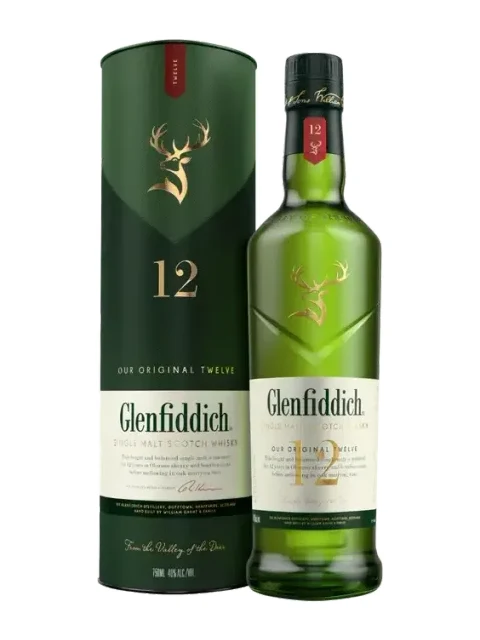
Glenfiddich 12 Year is the world's best-selling single malt for a reason — light, fruity and completely approachable, it's the standard entry point into the category. Macallan 12 Sherry Oak shows the opposite end of the Speyside spectrum: rich, sherry-driven and full-bodied. Once you've tried both, the rest of our single malt Scotch collection and Japanese whisky collection will make a lot more sense.
One Single Malt From Three Different Traditions
Glenfiddich 12 Year ($39.99) is the classic Speyside introduction — light, fruity, approachable. Lagavulin 16 Year ($79.99) shows single malt's smokier side from Islay, intense peat and iodine. Yamazaki 12 Year ($149.99) demonstrates that "single malt" isn't exclusive to Scotland — Japan's single malt tradition follows the same single-distillery rule with its own distinct Mizunara oak character.
Shop Single Malt Whisky
Same-day delivery to 33 U.S. states and 7 Canadian provinces.
Browse Single Malt Scotch