Bourbon Drinkers' Guide to American Single Malt: What the New TTB Category Means
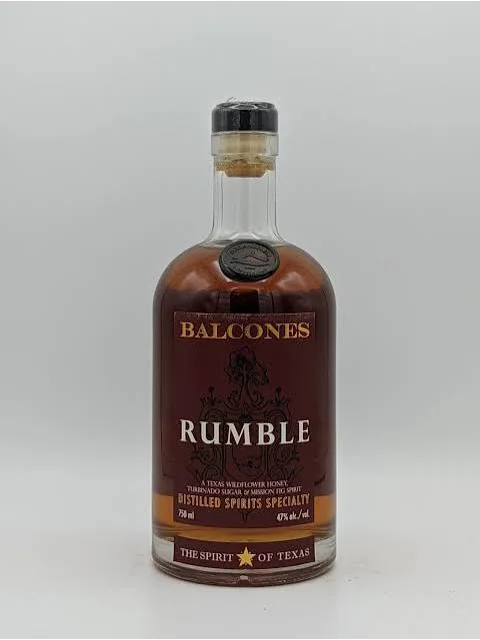
American Single Malt just became the first new federally recognized whiskey category in over 56 years — and Scotch drinkers are taking notice.
A Genuinely Rare Regulatory Event
The Alcohol and Tobacco Tax and Trade Bureau finalized a standard of identity for "American single malt whisky," effective January 19, 2025. January 19, 2026 marked its first full anniversary as an officially recognized category — the first entirely new whiskey type added to U.S. regulations in more than 56 years. For a category built almost entirely by small craft distillers over the past two decades, formal federal recognition is a significant milestone.
What the Standard Actually Requires
The rule is specific: a fermented mash of 100% malted barley, produced in the United States; distilled at 160 proof or less, at the same U.S. distillery; matured in oak barrels no larger than 700 liters (charred new, uncharred new, or used); stored entirely within the United States; and no added coloring, flavoring or blending materials, with a narrow exception for disclosed caramel coloring. There's also a five-year transition window, through January 2030, for spirits bottled before the rule took effect to still carry the designation if they meet the standard.
How It's Different From Scotch
Scotch single malt requires distillation in Scotland with its own separate regulatory framework, but the two categories share the core idea — 100% malted barley, pot-distilled character, single-distillery identity. Where American Single Malt diverges is in barrel policy: unlike Scotch's near-universal use of previously-used casks, American distillers can use charred new oak, the same barrel type bourbon requires, alongside used or uncharred new barrels. That flexibility gives American producers a genuinely different flavor toolkit than their Scottish counterparts, rather than making them a simple domestic copy.
Why Bourbon Drinkers Are the Ones Diving In
American Single Malt distillers have spent two decades building a category almost entirely outside the mainstream bourbon conversation, which means many bourbon-first drinkers are encountering it for the first time now that it has an official name and a clear legal definition. The malted-barley base delivers a different flavor profile than corn-forward bourbon — more in line with what Scotch drinkers expect — while the option to use new charred oak gives some American Single Malts a caramel-and-vanilla backbone that reads as more familiar to a bourbon palate than a typical Scotch does.
Craft Pioneers vs. Legacy Distillers
The category was built by small, independent craft distilleries years before the TTB codified it, and that pioneer generation still defines its reputation. Now that the designation exists formally, larger legacy American whiskey producers have real incentive to enter the category too, which means the field is actively expanding beyond the founding craft names as both new and established distillers compete for a still-forming market identity.
What to Try First
If you're coming from bourbon, look for American Single Malts finished or fully matured in charred new oak first — the flavor bridge to what you already know will be more immediate. If you're coming from Scotch, look for releases using used casks for a more directly comparable maturation profile. Either direction, the category rewards curiosity precisely because it's still actively defining its own identity rather than following an established European template.