The Angel's Share Is Changing: How Climate Is Reshaping Whisky Maturation
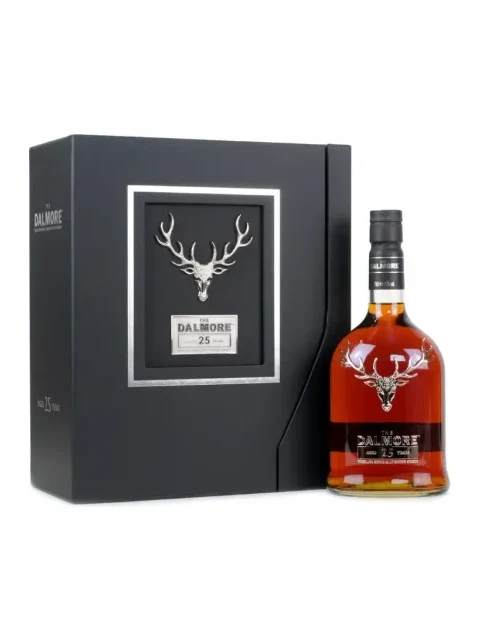
Every cask of whisky loses a share of its contents to evaporation each year — and how much depends almost entirely on the climate around the warehouse it's aging in.
What the Angel's Share Actually Is
The "angel's share" is the portion of a cask's contents lost to evaporation through the porous oak during maturation — a natural, unavoidable part of how whisky, bourbon, cognac and other cask-aged spirits develop their character over time. It's not a flaw in the process; it's a core part of it, since the same porous wood that lets liquid escape is also what lets the spirit interact with air and oak to develop flavor.
The Numbers Vary More Than Most Drinkers Realize
In Scotland's relatively cool, stable climate, distillers typically lose around 2% of a cask's contents per year, though cask size, age and specific storage conditions all shift that figure somewhat. Kentucky bourbon, rye and Tennessee whiskey see meaningfully higher rates — averaging closer to 4% annually, and as high as 10% in a barrel's first year, driven by Kentucky's larger seasonal temperature swings. Warmer, more humid climates push the rate further still: roughly 6-8% in Melbourne, 8-12%+ in India, and 10-15% in some Taiwanese conditions.
Why This Connects to Climate Change
Climate change can shorten the "safe" maturation window even in historically cool regions like Scotland, as warming trends push evaporation rates upward in warehouses that were designed and sited around a cooler climate baseline. That has a direct, structural consequence: whisky aged for decades in a cooling climate becomes rarer as the climate warms, while distilleries in already-warm regions face pressure to bottle earlier simply to avoid losing too much volume — and too much cask character — to evaporation before a long age statement is reached.
Why Warehouse Location Is an Overlooked Value Factor
Two casks filled on the same day, from the same distillate, will taste and age completely differently depending on where they physically sit for the next 20 years. A cooler, more stable warehouse location preserves more liquid and allows for a slower, more measured flavor development over a long age statement — part of why genuinely old Scotch commands the prices it does. As climate patterns shift, that advantage becomes harder to guarantee even within traditionally favorable regions, which is a quieter but real factor in why well-aged whisky keeps getting scarcer and more expensive.
What This Means for Tropical and Warm-Climate Whisky
Distilleries in places like Taiwan and India have turned rapid evaporation into a selling point rather than a limitation — a whisky that reaches deep cask character in 8-10 years in a warm climate can taste comparable to a much older Scotch aged in a cool one. It's a genuinely different maturation model, not an inferior one, but it does mean age statements aren't directly comparable across climates the way drinkers sometimes assume.
The Bottom Line for Collectors
If you're buying with an eye toward long-term cellaring or collecting, understanding a bottle's maturation climate — not just its age statement — is increasingly relevant. A 25-year Highland single malt and a 25-year warm-climate whisky have gone through very different evaporation and flavor-development journeys to get to that number on the label, and as climate shifts continue, that gap is likely to become more pronounced rather than less.