Apple Brandy & Applejack: America's Oldest Spirit Category
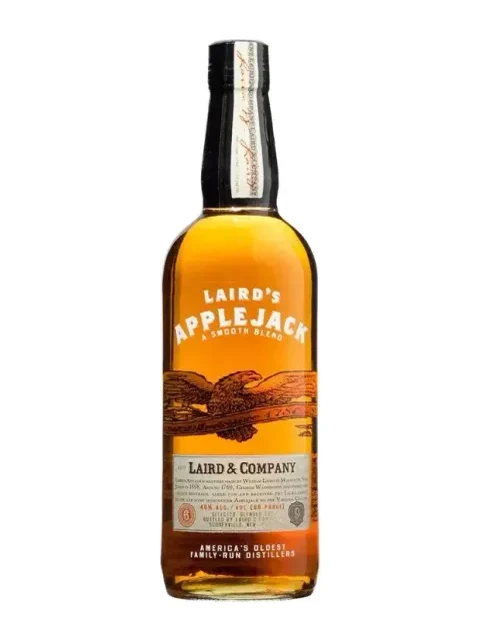
Applejack was America's original spirit — distilled by colonial farmers from surplus apples generations before bourbon existed as a category — and the Laird family has been making it in New Jersey since 1780, making theirs the oldest licensed distillery in the United States.
America's Original Spirit
Long before corn whiskey became the dominant American spirit, colonial farmers with surplus apple harvests distilled the fruit into applejack — a practical way to preserve a perishable crop that became genuinely popular in its own right. Laird's Applejack Brandy ($24.99, 40% ABV) carries that history directly, produced by the same family that's been distilling apple brandy in New Jersey since 1780, delivering apple, caramel and light oak in an accessible, versatile bottle.
How Applejack Differs From French Apple Brandy
French apple brandy, most famously Calvados, follows different regional production rules and is made exclusively from cider apples grown in specific Normandy appellations. American applejack has historically been more flexible in its apple sourcing and production method, which is part of why the flavor profile tends to read a bit more rustic and direct compared to a refined Calvados, while still sharing the same fundamental apple-brandy DNA.
Where Apple Brandy Fits Today
Apple brandy sits in an interesting gap in the current spirits market — overshadowed by bourbon's dominance despite arguably having a longer American pedigree. It works well both in classic pre-Prohibition cocktails (the Jack Rose being the most famous) and simply on the rocks, where its apple and caramel notes come through clearly without needing to compete with heavy oak or high proof.
Choosing the Right Bottle
Laird's Applejack is the standard reference point for anyone curious about the category and remains widely available at an accessible price. If you already enjoy Calvados or other French apple brandy, trying an American applejack side by side is a genuinely interesting comparison — same base fruit, meaningfully different production philosophy and resulting character.