Why 'Bottled-in-Bond' Is Bourbon's Most Trusted Label Right Now
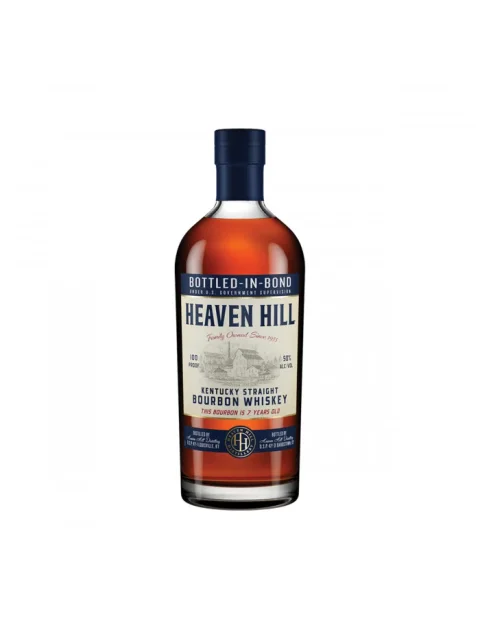
While "small batch" and "craft" have become marketing terms with no legal teeth, Bottled-in-Bond remains the one bourbon label that's still a binding, enforceable promise.
The Trust Problem With Modern Labels
Terms like "small batch" and "craft" have no fixed legal definition in American whiskey regulation, which has let a growing number of non-distiller producers use them to describe sourced spirit, often bought from a handful of large contract distilleries and rebottled under an independent label with a story attached. None of that is illegal, but it's created real fatigue among drinkers who've been burned by labels implying a level of small-scale, single-source production that the liquid inside doesn't actually reflect.
What Bottled-in-Bond Actually Guarantees
Bottled-in-Bond is different because it isn't a marketing term at all — it's a 19th-century federal law with specific, enforceable requirements. To carry the label, a whiskey must be the product of a single distillery, from a single distiller, made during a single distilling season (either January-June or July-December), aged at least four years in a federally bonded warehouse, and bottled at exactly 100 proof. Every one of those conditions is a legal requirement, not a claim the producer gets to interpret.
Why This Is Resonating Right Now
In a market where sourced-spirit controversies have made plenty of drinkers skeptical of origin stories they can't verify, a label backed by federal law rather than brand copywriting has obvious appeal. Bottled-in-Bond doesn't tell you the whiskey is good — it tells you exactly what it is, made by whom, and how it was aged, with none of that left to interpretation. That's a fundamentally different kind of promise than "small batch," and drinkers increasingly know the difference.
The Age Statement Comeback Alongside It
Bottled-in-Bond's four-year minimum is itself a real, enforced age statement, and its resurgence has tracked alongside a broader return of explicit age statements from legacy distilleries after years of NAS releases dominating shelves. Ten, twelve and fifteen-year age-stated bottles are increasingly framed by distillers themselves as a return to a more transparent baseline — you know what you're buying before you open it, the same core value driving Bottled-in-Bond's revival.
Why 100 Proof Matters Beyond the Legal Requirement
Bottled-in-Bond's mandated 100 proof isn't just a regulatory footnote — it sits meaningfully above the 80-90 proof range most standard bourbons ship at, giving the whiskey more structure and flavor intensity without requiring a barrel-proof price tag. That combination of guaranteed proof, guaranteed provenance and a real four-year minimum age is exactly why Bottled-in-Bond releases so often turn out to be genuine value plays rather than premium-priced novelties.
Where to Start
Look for Bottled-in-Bond releases from distilleries with a long, transparent production history rather than obscure or newly-launched labels — the legal requirements guarantee process, but a distillery's actual track record still tells you the most about what to expect in the glass. At $25-50 for most entries in the category, Bottled-in-Bond remains one of the most reliable ways to buy real, verifiable quality without paying a premium for a story.