Why 2026 Is the Best Time in Years to Buy Bourbon
Kentucky distillers are sitting on more aging bourbon than at any point in four decades — and that oversupply is quietly working in every buyer's favor.
A Glut Four Decades in the Making
Kentucky distilleries were holding a record 16.1 million barrels of aging bourbon as of early 2025 — more than three times the roughly 5 million barrels on hand during the last widely-cited "whiskey glut" back in 1985. The current surplus traces directly back to 2021 and 2022, when distillers barreled a record 2.7 million barrels in a single year to chase demand projections that never fully materialized. Consumer bourbon demand has since leveled off, leaving warehouses stacked well beyond what the market is currently absorbing.
Production Is Actually Slowing Down
The clearest sign of how serious the oversupply is: producers are pulling back rather than pushing through it. Jim Beam announced it would halt production at its Kentucky distillery for the entirety of 2026, citing softening demand alongside tariff uncertainty. MGP Ingredients — a major supplier to non-distilling bourbon brands — reported a 43% drop in sales within its distilling solutions segment as customers worked through existing stock rather than placing new orders. When distillers voluntarily stop making a product, it's rarely because business is good.
What It Means for Barrel and Bottle Prices
The oversupply has pushed aged-whiskey barrel prices down 30 to 40 percent compared with four years ago. Used barrels — typically resold to Scotch and rum producers as a secondary revenue stream once bourbon distillers are done with them — have collapsed from more than $200 apiece at the end of 2024 to around $50 today. That pricing pressure moves downstream: with more mature stock competing for shelf space and fewer new barrels being laid down to replace it, bottlers have real incentive to price competitively on everything from entry bourbon through well-aged single barrel releases.
Older, Better Bottles Without the Wait
A glut doesn't just mean cheaper bourbon — it tends to mean better-aged bourbon at prices that would normally belong to a younger expression. With so much whiskey aging past its originally-planned bottling window, distillers have more mature barrels to draw from for standard releases, without needing to charge a premium age-statement price for the privilege. If you've been priced out of 8-to-10-year bourbon in the past, this is the environment where that math changes in your favor.
The Tax Side of the Story
The scale of the glut isn't just a pricing story — it's a balance-sheet one for distillers. The assessed value of aging barrels in Kentucky reached $10 billion in 2025, generating a $75 million ad valorem tax bill, a 163% increase over five years. Distillers holding that much taxed, aging inventory have a direct financial incentive to move it — which tends to translate into more competitive pricing and more frequent promotions rather than less.
Why This Is a Buyer's Market, Not a Guarantee
None of this means every bourbon on the shelf is a bargain, and it doesn't mean prices will stay this favorable indefinitely — gluts correct over time as production adjusts and older stock gets absorbed. But for buyers browsing right now, the current combination of record inventory, paused production at major distilleries, and falling barrel costs is about as favorable a set of conditions as bourbon buyers have seen since the mid-1980s. If you've been waiting for well-aged bourbon to come down to a reasonable price, the data suggests that window is open now.
What to Look for While It Lasts
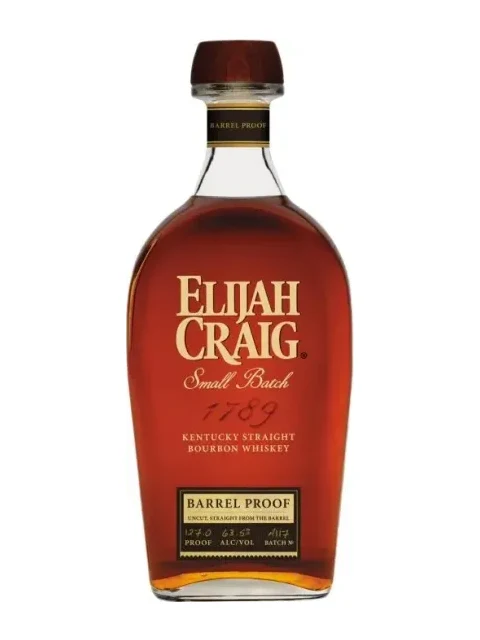
Single barrel and small batch bourbons in the 8-12 year range are where the glut's effect on quality-per-dollar shows up most clearly — distillers have more well-aged stock to draw from without needing to justify age-statement pricing. Barrel-proof and cask-strength releases are also worth watching, since they let a distillery bottle exceptional aged stock without diluting it down to a standard, lower-priced proof point.