How to Spot a Fake Macallan (or Any Rare Whisky) Before You Buy
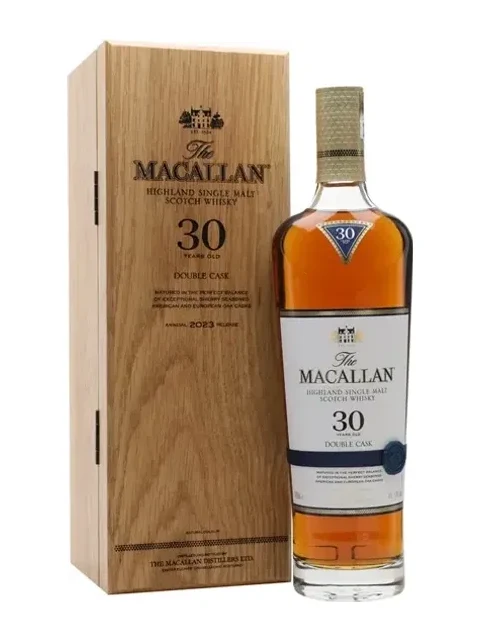
Macallan is the single most counterfeited whisky in the world, and forgers don't need to fake the glass — genuine empty bottles already trade openly online.
Why Macallan Specifically
Macallan's rarest bottles have sold for millions of pounds at auction, and its broader range is among the most sought-after single malt Scotch in the world. That combination of demand, price, and limited availability makes it the single most commonly counterfeited whisky on the market, with incidents involving fake bottles regularly making global headlines.
The Refill Problem
The simplest and hardest-to-detect method of counterfeiting isn't faking a label or a bottle shape — it's refilling a genuine, empty bottle with a different, cheaper liquid. Corked and resealed convincingly, a refilled bottle can look completely authentic, even though what's inside might be a bottom-shelf blend or, in some documented cases, cold tea standing in for a sherry-hued malt. This works because authentic empty Macallan bottles — complete with real glass, real labels, and real presentation boxes — trade openly for roughly $80 to $450 or more, giving forgers everything they need except the whisky itself.
How the Industry Is Responding
Macallan has introduced security features including holograms on the bottle neck caps specifically to make refilling and re-capping harder to pull off undetected. If you're evaluating an older or secondary-market bottle that predates these measures, that alone is a reason for extra caution — and a reason to buy recent releases from a retailer who sources directly rather than through unverified secondary channels.
Auction Houses Are Pulling Bottles Too
This isn't a fringe concern. Bonhams withdrew 20 bottles — mainly Islay single malts and Macallan expressions valued at an estimated $52,000 to $72,000 combined — from a Paris fine whisky auction over counterfeiting suspicions. When major international auction houses are proactively pulling suspect lots before sale, it's a clear signal that authentication has become a serious, ongoing concern across the entire secondary whisky market, not just an issue with obscure private sellers.
What to Actually Check
Look closely at the fill level and the capsule/seal for any sign of prior tampering, re-gluing, or an inconsistent factory finish. Compare label printing quality, font weight, and color saturation against a verified reference image from the distillery or a trusted retailer — forgeries often get 95% of the details right and fall down on subtle print quality. Where present, verify hologram or security-thread features against the brand's own published authentication guidance. And treat a steep, too-good-to-be-true discount on a rare or discontinued expression as a reason to slow down, not speed up.
The Simplest Protection: Provenance
None of the checks above are as reliable as simply knowing where a bottle came from. A bottle purchased new, directly from a retailer with a verifiable supply chain and a receipt, carries essentially none of the refill or resale risk that secondary-market and auction purchases do. That provenance gap is the real reason authentication has become such a prominent topic industry-wide — it's almost entirely a secondary-market and private-sale problem.
Buying With Confidence
Every bottle Caskworth sells — including Macallan's rarest releases — ships directly from verified supply, not from an unverifiable private reseller. If a rare or allocated bottle you're considering elsewhere can't answer a basic provenance question, that's reason enough to look for the same bottle through a retailer who can.