Six-Figure Pours: The Most Expensive Whisky Auction Sales in History
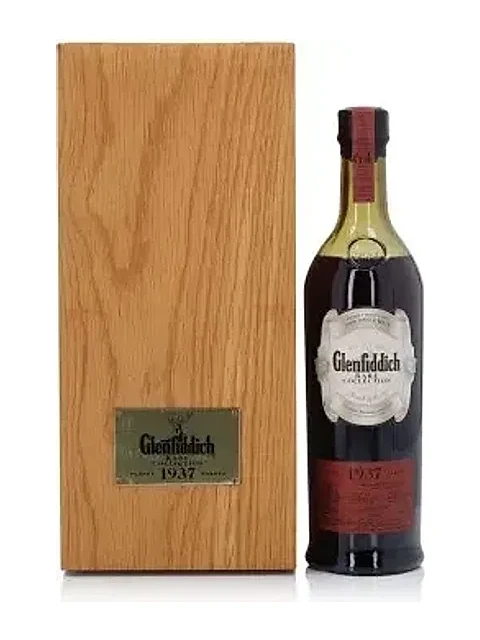
The line between a bottle of whisky and a piece of fine art gets blurry once you look at what collectors have actually paid at auction for the rarest releases ever bottled.
What Actually Drives a Six-Figure Result
The whisky bottles that break auction records almost always share the same three ingredients: a closed or "ghost" distillery whose supply can never increase, an extremely limited original bottling run, and a story — a specific cask, vintage or provenance detail that can't be replicated. Age alone doesn't do it; a 40-year-old bottle from a still-operating distillery with healthy stock rarely commands what a 40-year-old bottle from a distillery that shut down decades ago will fetch, because the second bottle represents a supply ceiling that can genuinely never be raised.
Macallan's Outsized Presence in Auction Records
Macallan shows up disproportionately often at the top of whisky auction results, a direct consequence of the brand's combination of collector demand, limited historic releases, and decades of building a secondary market that actively tracks and prices its rarest bottlings. We've covered some of Macallan's most extraordinary individual results — including its most expensive bottle ever sold — in detail elsewhere on our blog, but the pattern holds across the wider market too: whichever brand builds the deepest collector culture around its rarest releases tends to also produce the deepest auction results.
Vintage Bottlings From a Single, Unrepeatable Year
Some of the highest results ever recorded belong to bottles tied to a specific historic vintage year rather than a standard age-statement release — a cask filled in a particular year, decades ago, that simply cannot be recreated regardless of how much a distillery might want to. That single-vintage scarcity is a different kind of rarity than a simple age statement, and it's part of why some of the most eye-watering results in whisky auction history involve pre-war or early-20th-century fill dates.
Ghost Distilleries: Rarity With No Way Back
Bottles from permanently closed "ghost" distilleries occupy a unique position in the market because their scarcity is structurally permanent in a way that even the rarest currently-operating brand's allocation isn't. A distillery that could theoretically expand production, however unlikely, still carries a different risk profile for a collector than one that physically no longer exists. That distinction is a meaningful part of why ghost-distillery releases consistently punch above their release-year price at auction years or decades later.
It's Not Just Scotch
While Scotch dominates the record books, extraordinary results have increasingly come from Japanese whisky, ultra-aged Cognac and Armagnac, and select American bourbon releases, reflecting how far collector interest in cask-aged spirits has broadened beyond its traditional Scotch-and-bourbon core. As that collector base has grown internationally, the ceiling for what a truly unique bottle can command has risen right along with it.
What This Means If You're Not Bidding Six Figures
You don't need auction-house money to benefit from understanding what drives these results. The same scarcity logic — closed distilleries, single-vintage releases, genuinely limited production runs — applies at every price point, and recognizing it is exactly how to identify which more accessible allocated and limited releases are likely to hold or grow in collector interest over time.