Scotch Got Cheaper, Cognac Didn't: America's 2026 Spirits Tariff Map
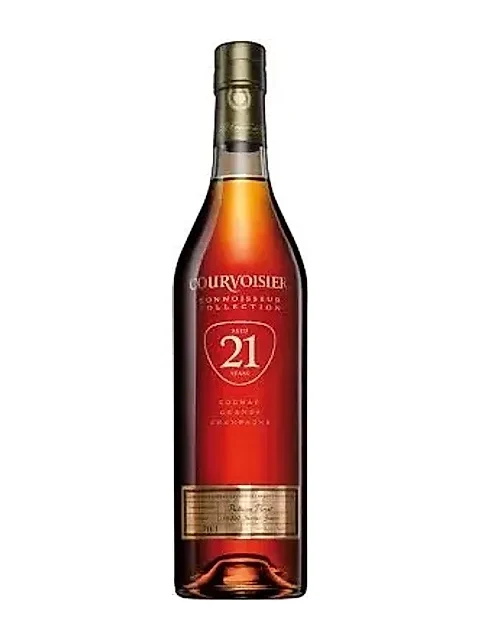
As of July 24, 2026, Scotch whisky entered the United States duty-free for the first time in over a year — but Cognac, Irish whiskey and Champagne are still paying the toll.
What Changed in July
The tariff on Scotch whisky entering the United States lifted at 12:01am Eastern on July 24, 2026, and the first duty-free shipment left Scotland within 48 hours. The original 10% levy had been imposed in April 2025 and was on track to rise as high as 25% for single malts before the exemption came into force. It's a meaningful reversal, and one that directly affects pricing on every bottle of Scotch that's crossed the Atlantic since.
What the Tariff Actually Cost Buyers
Before the removal, the math was stark: an average $1.92 tariff at the port on a standard 750ml bottle of Scotch could translate into a price increase of more than $12 at the point of sale once distributor and retail markups were applied — roughly an extra $1 per drink at a bar. That's the kind of cost that compounds through a supply chain rather than staying flat, which is exactly why its removal matters more than the headline percentage suggests.
Cognac Didn't Get the Same Deal
Here's the part that's easy to miss: Cognac, Irish whiskey, Champagne and other EU spirits remain subject to US tariffs. Roughly $10 billion worth of EU alcohol imports annually are affected, and the price pressure on French, Irish and other European categories hasn't eased the way it has for Scotch. If you've noticed Cognac pricing hasn't moved the way Scotch has recently, this is why — it's not inconsistent retailer pricing, it's two different trade situations playing out at the same time.
Why the Two Categories Split
Scotch whisky's exemption came out of specific trade negotiations between the US and UK, separate from the broader EU tariff structure that still applies to Cognac, Champagne and Irish whiskey (the Republic of Ireland being an EU member, unlike the UK post-Brexit). That's the underlying reason the two categories, which sit next to each other on a store shelf and compete for the same premium-spirits customer, are currently on completely different pricing trajectories.
What This Means If You're Buying Now
For Scotch, this is a genuinely good moment — tariff relief is flowing through the supply chain, and combined with broader industry pricing pressure (production pauses, export volume drops), there's real room for competitive pricing on everything from entry single malts to allocated releases. For Cognac, the calculus is different: if you've been planning a Cognac purchase and tariff-driven price increases are a concern, there's less reason to expect near-term relief, since the underlying EU trade situation hasn't changed the way the UK's has.
The Bigger Picture for Scotch
Tariff relief lands at an already difficult moment for Scotch production — output pauses at major distilleries, the permanent closure of at least one maltings site, and a 15% drop in US export volume by value between May and December 2025 have combined into the most sustained supply-side contraction the industry has seen in decades. Cheaper import costs won't reverse a production slowdown, but they do mean more of any given bottle's price is going toward the whisky itself rather than the tariff.
Buying Through Caskworth
We price based on real, current landed cost, which means Scotch pricing reflects the tariff relief as it flows through, while Cognac and Irish whiskey pricing reflects the EU tariffs that are still very much in effect. If a price looks different than you remember from a year ago, this tariff map is very likely why.
Related reading: IWSC 2026 whisky trophy winners.