Beyond Rye: How Wheated Bourbon and Heirloom Grains Are Changing Flavor Profiles
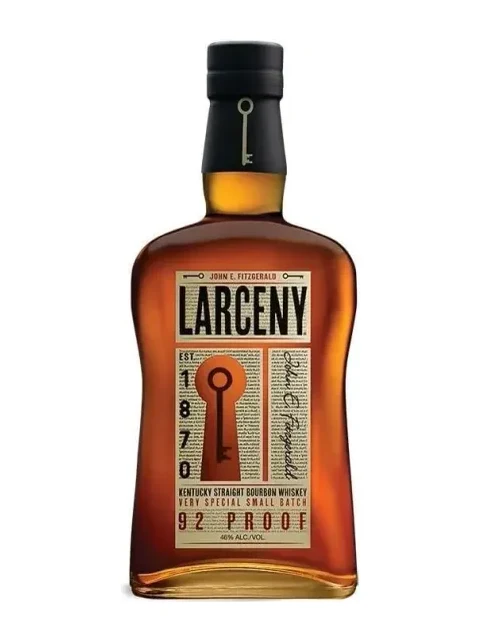
Bourbon's legal mash bill only requires 51% corn — everything else is where distillers are increasingly experimenting, and wheat is winning the loudest fanbase.
The Secondary Grain Question
By law, bourbon must be at least 51% corn, but the remaining mash bill is where a distillery's real character shows up. The traditional choice is rye, which adds spice and bite; the wheated alternative swaps rye for wheat, producing a softer, rounder, often sweeter profile without rye's peppery edge. Both are legitimate, well-established styles — the difference is a matter of preference, not quality, and wheated bourbon has built an unusually devoted following given it represents a genuine minority of total bourbon production.
Why Wheated Bourbon Keeps Overperforming
Wheated releases from distillers like Maker's Mark and Wilderness Trail continue to punch well above their price point in blind comparisons, a reputation built over decades rather than a recent trend. The softer mouthfeel wheat provides tends to make barrel and age character more immediately apparent, since there's less rye spice competing for attention — part of why wheated bourbon has such a strong following among drinkers who prioritize smoothness and caramel-forward sweetness over spice.
Beyond Wheat: The Heirloom Grain Movement
A newer, more experimental trend goes further than the standard corn-rye-wheat framework entirely. Distillers are increasingly working with heirloom corn varietals and historic grain strains that largely disappeared from commercial production decades ago, chasing flavor characteristics that modern high-yield hybrid grains were never bred to deliver. It's a genuinely different research question than choosing rye versus wheat — it's asking whether the specific genetic lineage of the grain itself, not just its category, shapes the final whiskey.
The Daniel Weller Spelt Wheat Case Study
Buffalo Trace's Daniel Weller experimental line, which launched in 2023 with an emmer wheat release, is a direct example of this research in action — each release substitutes a different wheat varietal for rye in the Weller mash bill, isolating exactly how one ingredient change shapes the final whiskey. Its most recent expression uses spelt wheat, a grain recognized for subtle sweetness and gentle nuttiness that's rarely used in whiskey production at all, bottled at 10 years old and 94 proof. The tasting profile leans into biscuit and fresh-baked-cookie notes alongside clove, cinnamon and nutmeg — a genuinely different flavor signature than a standard wheated bourbon, despite using the same base grain family.
Why This Matters for Your Glass
These experiments aren't just novelty releases — they're genuine data points about how much of bourbon's flavor comes from the grain itself versus barrel aging and distillation choices. A drinker who's decided they simply "don't like wheated bourbon" based on one bottle may find an heirloom-grain or alternative-wheat release changes that conclusion entirely, since the grain-driven flavor differences within the wheated category alone can be as significant as the difference between wheat and rye.
How to Start Exploring
If you're new to wheated bourbon, start with an established, moderately priced release to understand the baseline softer, sweeter profile before chasing rarer heirloom-grain experimental bottles. Once you know whether the wheated style suits your palate, the experimental tier — alternative wheat varietals, heirloom corn, and beyond — becomes a genuinely rewarding way to explore just how much a single ingredient can reshape a finished whiskey.