Whisky vs. the S&P 500: What a Decade of Auction Data Actually Shows
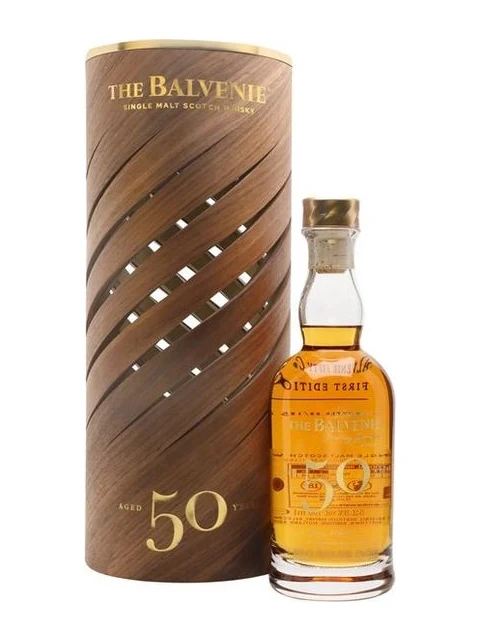
Rare whisky indices get compared to the stock market constantly — but the two are structurally different assets, and that difference matters more than any single year's return.
An Important Caveat Before Anything Else
This is an informational comparison, not financial advice. Whisky is a physical, illiquid collectible; the S&P 500 is a liquid, regulated financial instrument. They are not interchangeable, and nothing here should be read as a recommendation to treat one as a substitute for the other.
Why the Comparison Gets Made at All
Rare whisky auction indices, which track resale prices for collectible bottles over time, have in various periods shown headline appreciation that rivals or exceeds broad stock market indices, which is exactly why whisky gets discussed as an "alternative asset" alongside art, wine and classic cars. The comparison is tempting because both produce a number that goes up over time on a chart — but the mechanics behind that number are almost nothing alike.
Liquidity Is the Biggest Structural Difference
Selling S&P 500 shares takes seconds, at a transparent, publicly-quoted price, any day the market is open. Selling a rare whisky bottle means finding a specific buyer willing to pay a specific price for that specific bottle, usually through an auction house or private sale that takes weeks or months and charges meaningful commission. That illiquidity is not a minor footnote — it fundamentally changes what "return" even means, since a whisky index price is only realized if and when you can actually find a buyer at that price.
Provenance and Condition Risk Don't Exist in the Stock Market
A share of stock is identical to every other share of the same class; a whisky bottle's value depends heavily on fill level, label condition, cork integrity, and verifiable provenance. Two "identical" bottles of the same rare release can sell for meaningfully different prices based on condition alone — a variable that simply doesn't exist for a publicly-traded security.
Regulation and Transparency
Stock markets operate under extensive disclosure and regulatory requirements designed to protect buyers and ensure price transparency. The rare whisky secondary market has nothing comparable — pricing data comes from auction house results and private sales that aren't centrally reported the way securities transactions are, which makes genuinely comparing "returns" across the two categories harder than the headline index numbers suggest.
Where Whisky's Case Is Genuinely Strong
None of this means the underlying scarcity logic is wrong. Closed distilleries and genuinely limited releases do have a supply ceiling that can never be raised, which is a real, structural driver of long-term value that doesn't depend on market sentiment the way a growth stock's valuation often does. That's a legitimate reason collectors have been drawn to the category for decades — it's just a different kind of asset with a different kind of risk, not a straightforward substitute for equities.
A Reasonable Way to Think About It
Most experienced collectors treat rare whisky primarily as a purchase for enjoyment and collecting, with any appreciation as a possible but genuinely uncertain bonus — not as a portfolio allocation decision made the way you'd choose between two index funds. If you're drawn to the category, buying bottles you'd be glad to own even if resale value never moves is a far more reliable starting point than treating any single index comparison as a return projection.