Why That Japanese Whisky Bottle Has No Age on the Label
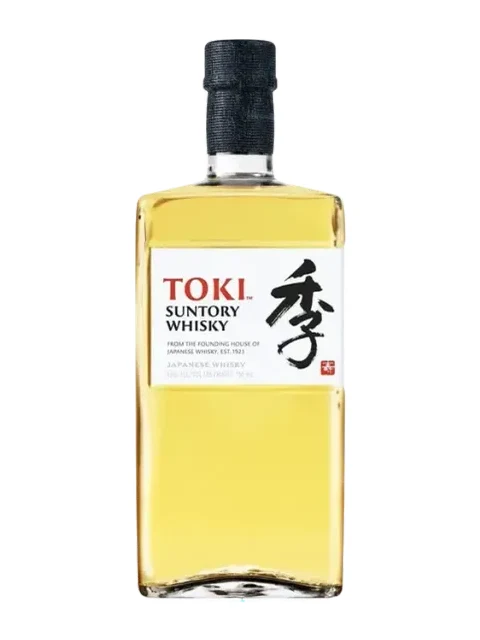
Popular bottles like Suntory Toki and Hibiki Harmony don't list an age on the label at all — and that's by design, not an oversight.
It's Not Random — It's a Labeling Standard
In 2021, the Japan Spirits & Liqueurs Makers Association introduced formal labeling standards defining what can legally be called "Japanese whisky," including strict rules for age statements: if a bottle states an age, every component in that blend must be at least that old, aged in Japan, in wood, for a minimum of three years. Many popular blends simply don't make an age claim at all rather than restrict their blending flexibility to meet that requirement — which is exactly why bottles like Suntory Toki carry no age statement whatsoever.
Why Distillers Choose to Skip It
A no-age-statement (NAS) release lets a master blender combine whisky of varying ages — including younger, more vibrant components alongside older, more mellow ones — to hit a specific, consistent flavor profile without being constrained to only use stock that meets a stated minimum age across every component. For a growing brand managing genuinely limited aged stock, that flexibility isn't a shortcut; it's often the only way to maintain a consistent, high-quality release at meaningful volume.
The Real Driver: Japanese Whisky's Supply Squeeze
Japanese whisky's global popularity surged faster than distilleries had aged stock to support, particularly for well-aged releases. Rather than either running out of age-stated expressions entirely or diluting quality to stretch limited aged stock further, many producers shifted toward NAS releases specifically because they let a blender work around a genuine aged-inventory shortage without compromising the finished product's quality or consistency.
NAS Doesn't Mean Lower Quality
It's a common assumption that no age statement signals a "cheaper" or less serious whisky, but that's not accurate for Japanese releases built this way. Hibiki Harmony and Suntory Toki are both deliberately composed, well-regarded expressions from major distilleries — the absence of an age statement reflects a blending philosophy and a supply reality, not a quality shortcut. Some of the most critically respected Japanese whiskies on the market today carry no age statement at all.
How to Know What You're Actually Buying
Since the label alone won't tell you a NAS bottle's component ages, the practical questions worth asking are about the producer and the specific release: is this from an established, major distillery with a track record (Suntory, Nikka) rather than an unfamiliar new label riding the "Japanese whisky" category's popularity? Does the retailer source directly, with clear provenance, rather than through unverified secondary channels where mislabeling risk is higher? A well-known NAS release from a major house is a very different proposition than an obscure bottle making vague "Japanese-inspired" claims without meeting the 2021 standard at all.
Buying Japanese Whisky With Confidence
The 2021 standard was specifically designed to protect the "Japanese whisky" label's meaning after years of confusion, including bottles made partly or entirely from imported spirit being sold under a Japanese-sounding name. A genuine, standard-compliant release — age-stated or not — is one where the labeling rules themselves are doing real verification work on your behalf, provided the retailer you're buying from sources authentic product in the first place.