Bourbon vs Whiskey: What Makes Bourbon Different?
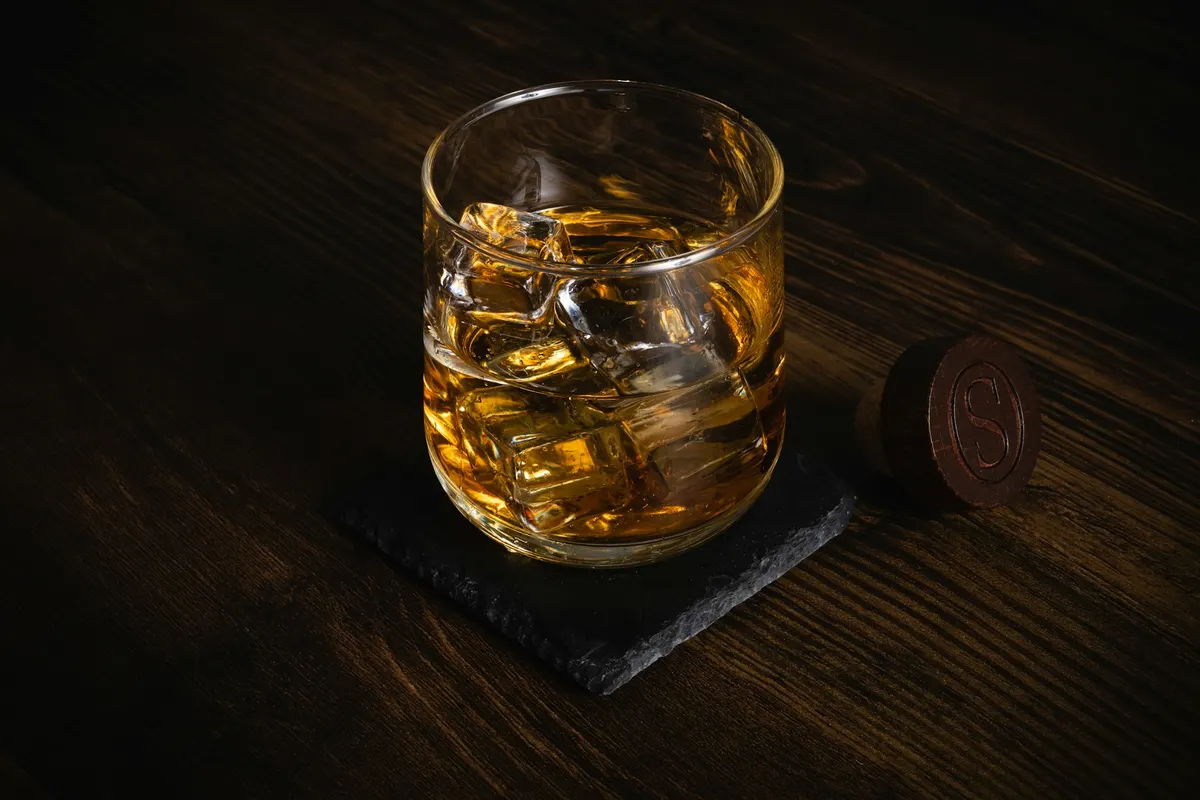
Bourbon is a type of whiskey. To be called bourbon, a spirit must be made in the United States from a grain mixture that is at least 51% corn, distilled to no more than 160 proof, aged in new charred oak containers and bottled at no less than 80 proof, with no added colour or flavouring. All bourbon is whiskey, but most whiskey is not bourbon.
Is Bourbon Whiskey? The Short Answer
Yes. Whiskey is the broad category for spirits distilled from fermented grain and aged in wood. Bourbon is one specific style within it, defined by United States law. The difference between bourbon and whiskey is therefore the difference between a style and a category, much like the relationship between cognac and brandy that we cover in our cognac vs brandy guide.
If you see a bottle labelled “whiskey” with no other style name, it could be Scotch, Irish, Canadian, rye, Tennessee whiskey or bourbon. The label has to say bourbon, and meet the rules below, for it to be bourbon.
What Makes Bourbon Bourbon: The Legal Rules
Under federal rules published by the Alcohol and Tobacco Tax and Trade Bureau (TTB), bourbon whiskey must meet all of these standards:
- Made in the United States. Bourbon is an American spirit by law.
- At least 51% corn. The grain mixture (the mash bill) must be at least 51% corn. The rest is usually rye or wheat, plus malted barley.
- Distilled to no more than 160 proof (80% alcohol by volume), which keeps flavour in the spirit.
- Aged in new, charred oak containers. New wood and a charred inside give bourbon its vanilla, caramel and toasted-oak character.
- Barrelled at no more than 125 proof (62.5% ABV).
- Bottled at no less than 80 proof (40% ABV).
- Nothing added except water. No colouring, no flavouring and no blending with other spirits.
“Straight bourbon” adds a further rule: it must be aged at least two years, and if it is under four years old, the age must appear on the label. Our bottled-in-bond guide covers one of the strictest labels on top of that.
How Bourbon Is Made
- Mash. Corn (at least 51%) is cooked with other grains, usually rye or wheat, plus malted barley, which supplies the enzymes that turn starch into sugar.
- Ferment. Yeast is added and the mash ferments into a low-strength “beer”. Most distillers use a sour mash process, adding some of the previous batch to keep fermentation consistent. Our guide to sweet mash vs sour mash bourbon explains the difference.
- Distil. The beer is distilled to no more than 160 proof, typically in a column still and often a second pot-style still known as a doubler.
- Barrel. The spirit goes into new charred oak barrels at no more than 125 proof.
- Age. In Kentucky’s hot summers and cold winters, the whiskey moves in and out of the wood and picks up colour and flavour.
- Bottle. The bourbon is bottled at no less than 80 proof, either diluted with water or, for barrel-proof releases, undiluted.
Mash Bills: Why Bourbons Taste Different From Each Other
Because the law sets only a minimum for corn, each distillery chooses its own recipe, called a mash bill. This is the main reason two bourbons can taste so different.
- High-rye bourbon uses a larger share of rye, giving more spice and a drier, peppery edge.
- Wheated bourbon replaces rye with wheat, producing a softer, rounder, sweeter style. Our wheated bourbon guide covers the best examples.
- Heirloom and specialty grains such as unusual corn varieties add new flavours.
Does Bourbon Have to Be Made in Kentucky?
No. Bourbon can be made anywhere in the United States. Kentucky is its heartland and makes most of it, but there are bourbons from Texas, New York, Indiana and other states. Only labels that say “Kentucky Straight Bourbon” promise a Kentucky origin and a minimum of one year of aging in that state, so they are the ones to look for if Kentucky matters to you.
Bourbon Labels Decoded
| Label term | What it means |
|---|---|
| Bourbon whiskey | Meets the core rules: made in the US, at least 51% corn, new charred oak, bottled at 80 proof or higher |
| Straight bourbon | Aged at least two years, with no added colour or flavour |
| Kentucky straight bourbon | Straight bourbon distilled in Kentucky and aged there for at least a year |
| Bottled-in-bond | One distillery, one season, aged at least four years and bottled at exactly 100 proof |
| Small batch / single barrel | Producer terms with no legal definition; see our single barrel vs small batch guide |
| Barrel proof / cask strength | Bottled without being diluted to a lower strength; see our cask strength vs barrel proof guide |
Bourbon vs Other Whiskeys
Each major whiskey style has its own rules. This is how bourbon compares:
| Style | Where | Key rules | Typical flavour |
|---|---|---|---|
| Bourbon | United States | At least 51% corn; new charred oak | Vanilla, caramel, toasted oak |
| Rye whiskey | United States | At least 51% rye | Spicier, drier, peppery |
| Tennessee whiskey | Tennessee | Bourbon-style production plus charcoal filtering | Smooth, mellow, sweet |
| Scotch whisky | Scotland | Aged at least 3 years in oak | Malty, fruity, smoky or peaty |
| Irish whiskey | Ireland | Aged at least 3 years in wood | Light, smooth, often fruity |
| Canadian whisky | Canada | Aged at least 3 years in small wooden barrels | Light, smooth, often sweet |
Jack Daniel’s is the classic example of the Tennessee style. It is sold as Tennessee whiskey rather than bourbon, even though its production follows bourbon-style rules. Our bourbon vs rye vs Scotch guide goes deeper on the three biggest styles, and Irish whiskey vs Scotch compares the two Atlantic traditions.
Whisky vs Whiskey: Why the Different Spelling?
Both spellings mean the same thing. The usual convention is that the United States and Ireland write “whiskey”, while Scotland, Canada and Japan write “whisky”. A few American brands, including Maker’s Mark, choose the shorter spelling for their own reasons. The spelling tells you nothing about quality or style, so use the style name (bourbon, Scotch, rye) to know what is in the bottle.
How Bourbon Tastes Compared With Other Whiskey
Because bourbon is aged in brand-new charred oak and made mostly from corn, it tends to taste sweeter and rounder than other styles. Expect vanilla, caramel, brown sugar and baking spice, with a toasted-oak finish. Scotch is more likely to bring malt, dried fruit or smoke, and rye adds a peppery bite. Neither is better. They simply answer different moods, which is why many drinkers keep a bottle of each.
Common Myths About Bourbon
- “Bourbon must come from Kentucky.” It can be made anywhere in the United States.
- “Bourbon is made only from corn.” It must be at least 51% corn, and the remainder is usually rye or wheat and malted barley.
- “All bourbon is aged for years.” Bourbon must be aged in new charred oak, but only straight bourbon has a two-year minimum.
- “Bourbon always tastes sweet.” It often does, but high-rye and barrel-proof bourbons can be spicy and bold.
- “Expensive means better.” Price reflects age, rarity and demand as well as quality. Our bourbons under $75 guide shows how much value there is below the collector prices.
Where to Start With Bourbon
These bottles show off the style without a large outlay:
- Buffalo Trace Bourbon (from $28.99): a benchmark Kentucky straight bourbon with toffee and vanilla.
- Four Roses Small Batch (from $32.99): honey, pear and light spice in a mellow blend.
- Eagle Rare 10 Year (from $37.99): a ten-year single barrel with orange peel and honey.
When you are ready to compare, our best bourbon to buy online guide ranks more of the range, and our guide to how to drink bourbon explains how to taste it properly.
Ready to Order?
Same-day delivery to 33 U.S. states. Minimum order $249.99 USD. Must be 21+ to purchase.
Shop Bourbon